EU5 Loading Screen Arts
0. The 95 Theses (1517)
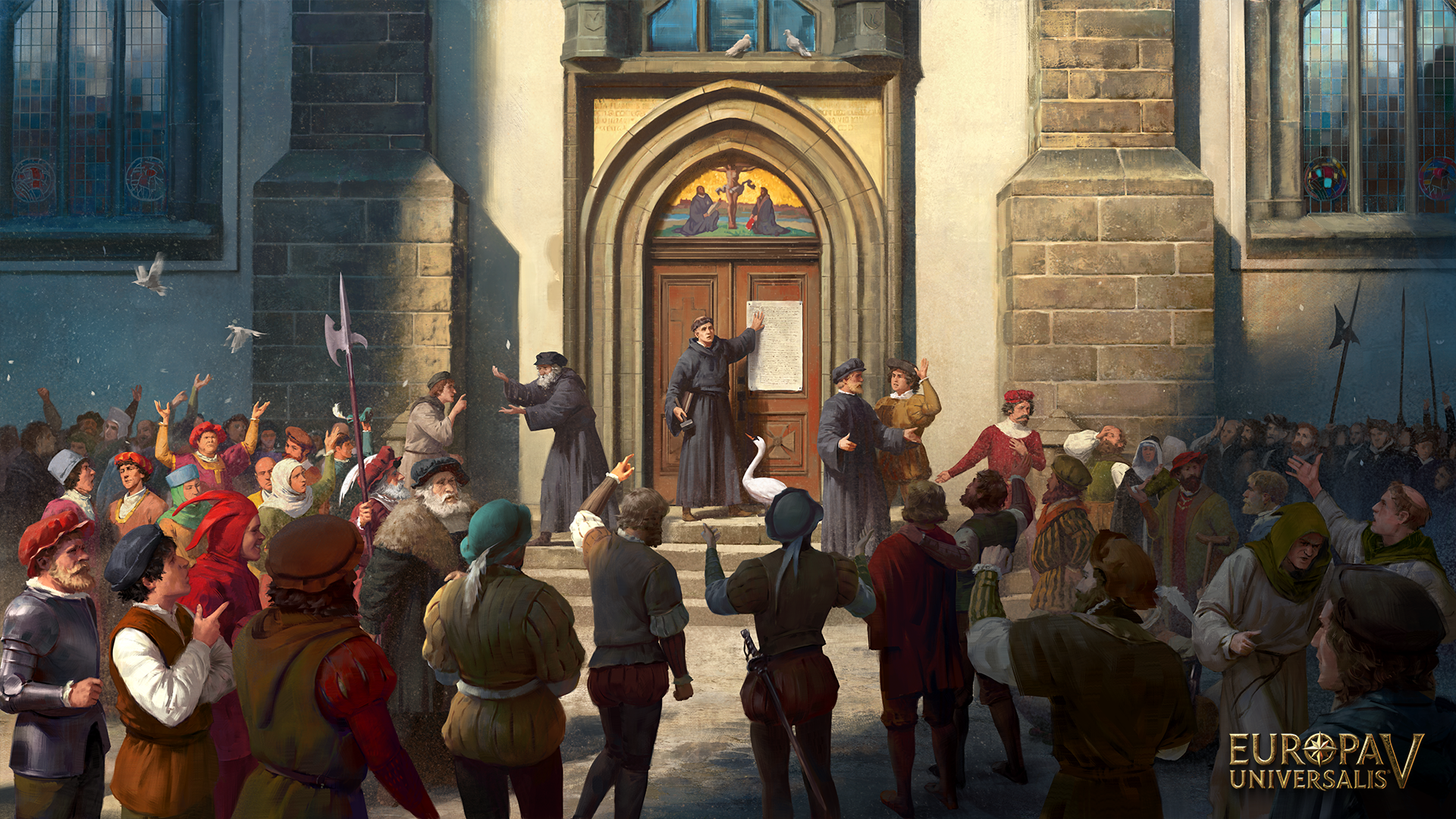
In October 1517, priest and scholar Martin Luther reportedly nailed his Disputation on the Power and Efficacy of Indulgences to the door of All Saints’ Church. Luther wasn’t trying to start a revolution; he wanted an academic debate over the Catholic Church’s sale of “indulgences” (payments for the remission of sins). However, the newly invented printing press spread his ideas across Europe, sparking the Protestant Reformation and permanently splitting Western Christianity.
1. Battle of White Mountain (1620)
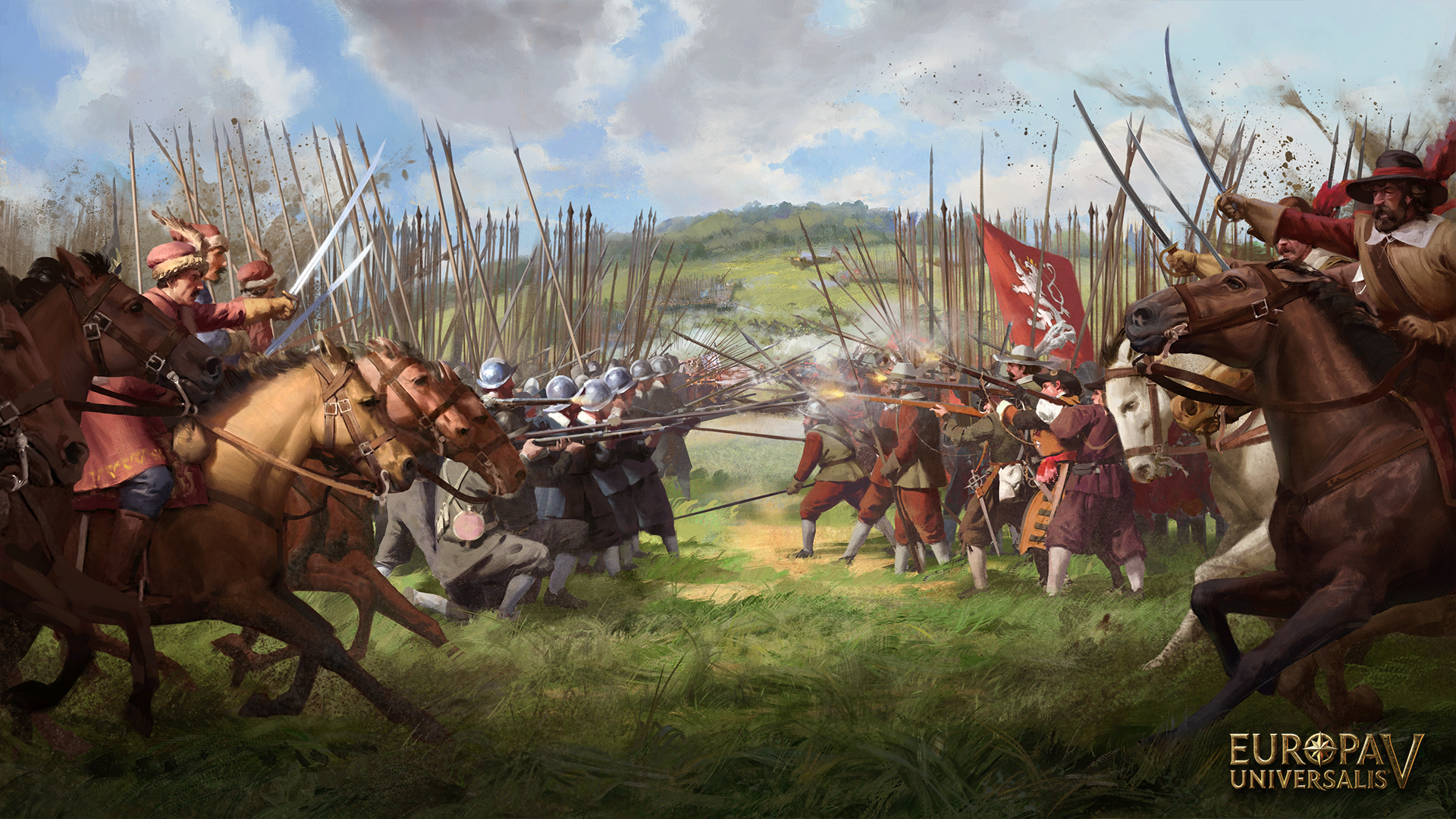
This was the first major battle of the Thirty Years’ War. Following the “Defenestration of Prague,” where Protestant Bohemian nobles revolted against their Catholic Habsburg ruler, the two sides met outside Prague. The Catholic Imperial forces crushed the Protestant “Winter King” Frederick V in just two hours. The victory ended Bohemian independence for three centuries and signaled a brutal era of religious and political warfare in Central Europe.
2. The Rise of the Ashanti (18th Century)
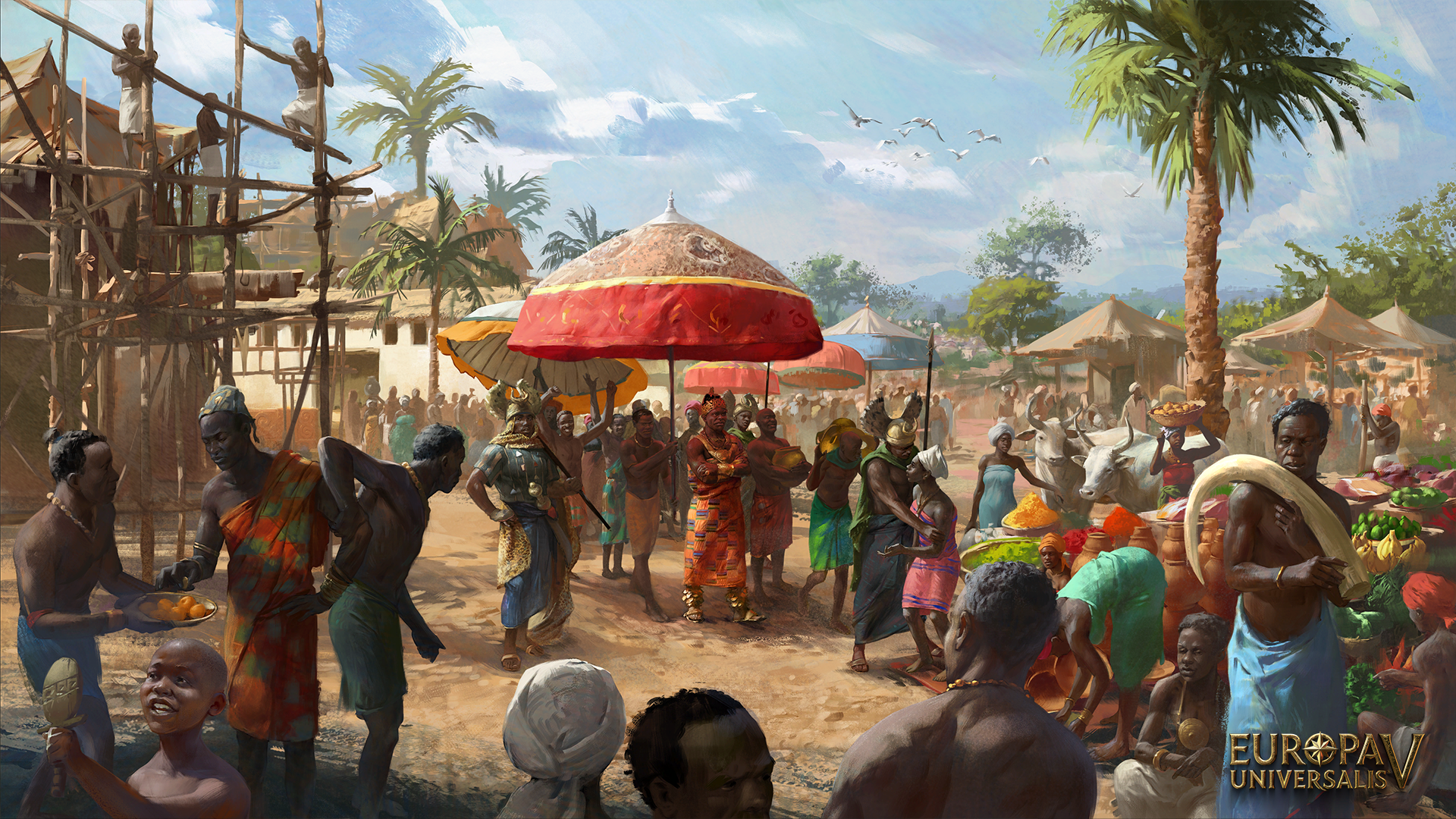
The Ashanti Empire (in modern-day Ghana) rose to power through the gold trade and military organization. The king, adorned in kente cloth and gold jewellery, visits the town to survey the extensive constructions that he is a patron of. His entourage carries the golden stool through the market, which is selling a variety of local and foreign goods, including n’dama cattle. The “Golden Stool” is the Sika Dwa Kofi, believed to house the spirit of the Ashanti nation. The empire was a sophisticated bureaucracy that successfully managed both the coastal trade with Europeans and the inland trade routes of West Africa, using its immense gold reserves to commission grand architecture and art.
3. The Port of Lübeck (14th–15th Century)
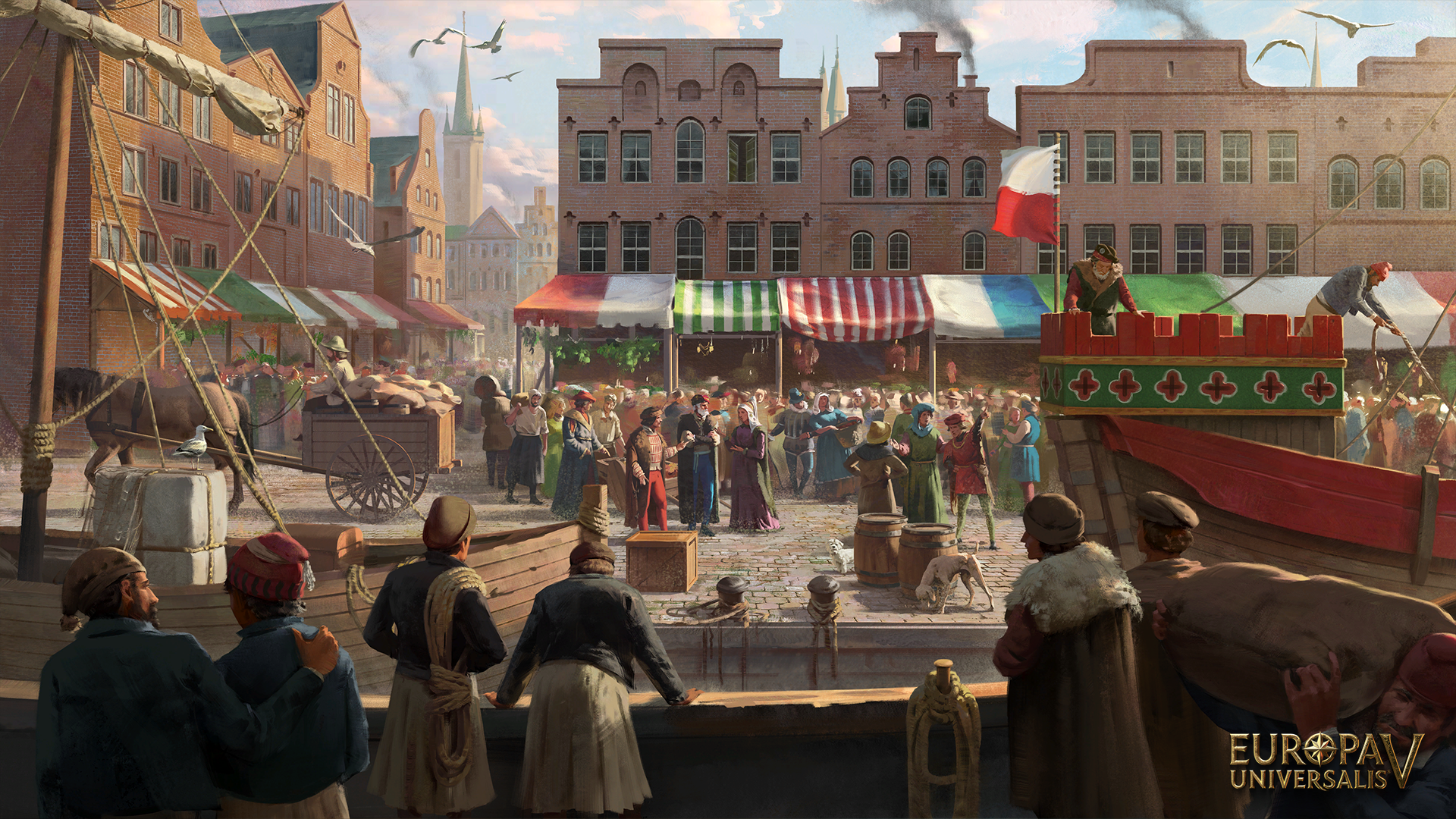
Lübeck was the “Queen City” of the Hanseatic League, a powerful confederation of merchant guilds and market towns in Northern Europe. This era saw the rise of the burgher class—wealthy town-dwelling merchants who rivaled the old nobility. Lübeck served as the central hub for the Baltic trade, moving essential goods like salt, timber, and grain, and establishing a dominant commercial monopoly that lasted for centuries.
4. The Beaver Wars (17th Century)

Also known as the Iroquois Wars, this was a series of brutal conflicts in North America. The Haudenosaunee (Iroquois Confederacy) sought to expand their territory and dominate the fur trade as beaver populations dwindled. Utilizing “trade guns” acquired from the Dutch and English, the Iroquois fought against the Algonquian-speaking tribes and their French allies, fundamentally reshaping the tribal map of the Great Lakes and Northeast regions.
5. Damascus Under the Mamluks (15th Century)
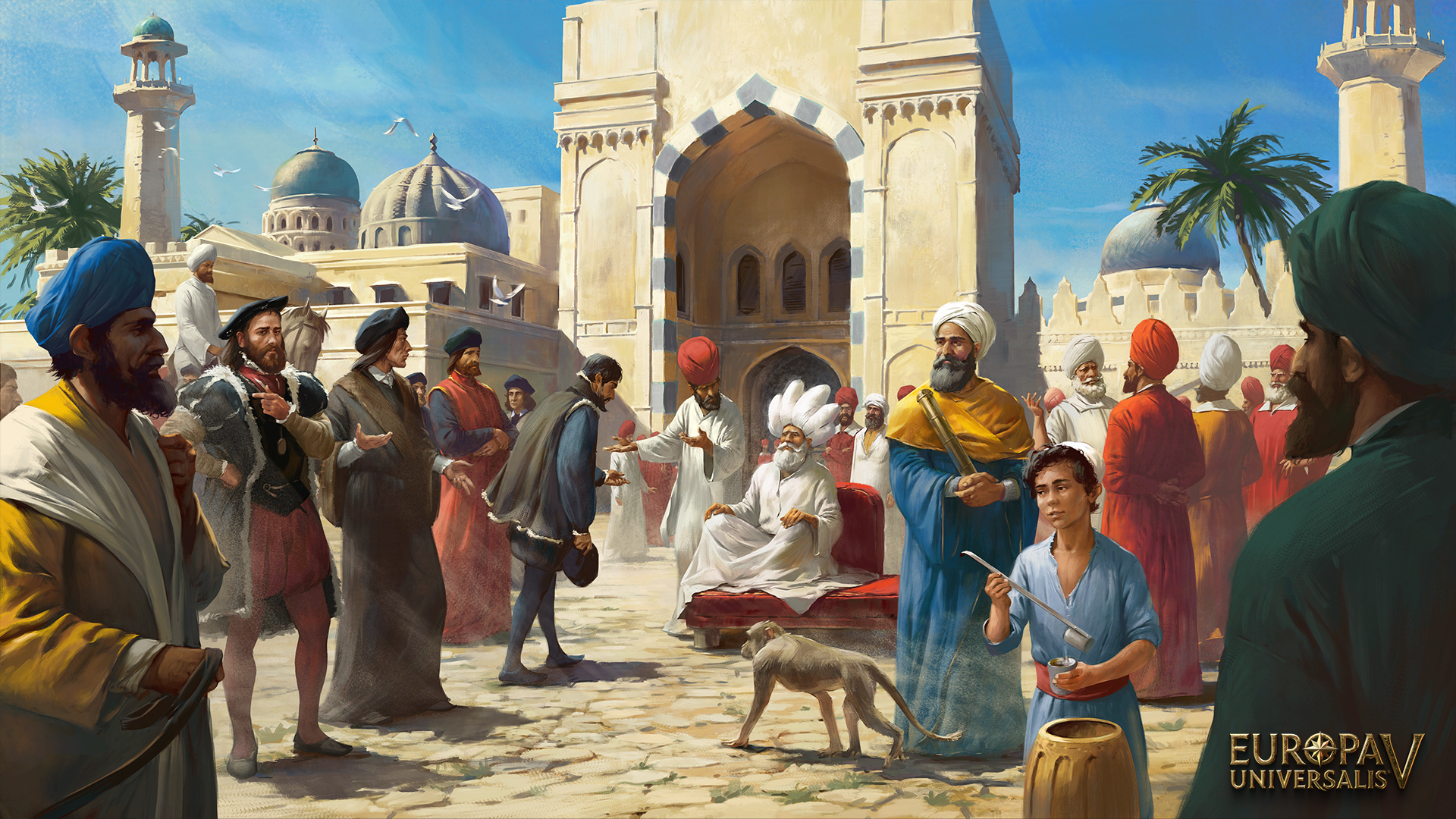
Before being absorbed by the Ottomans, Damascus was a jewel of the Mamluk Sultanate. The city was a vital terminus for the Silk Road, where Eastern spices and silks met Western buyers. The Mamluk governors maintained a sophisticated, if sometimes tense, relationship with Italian city-states like Venice, ensuring that Damascus remained a global crossroads of Islamic culture and Mediterranean commerce.
6. La Noche Triste (1520)
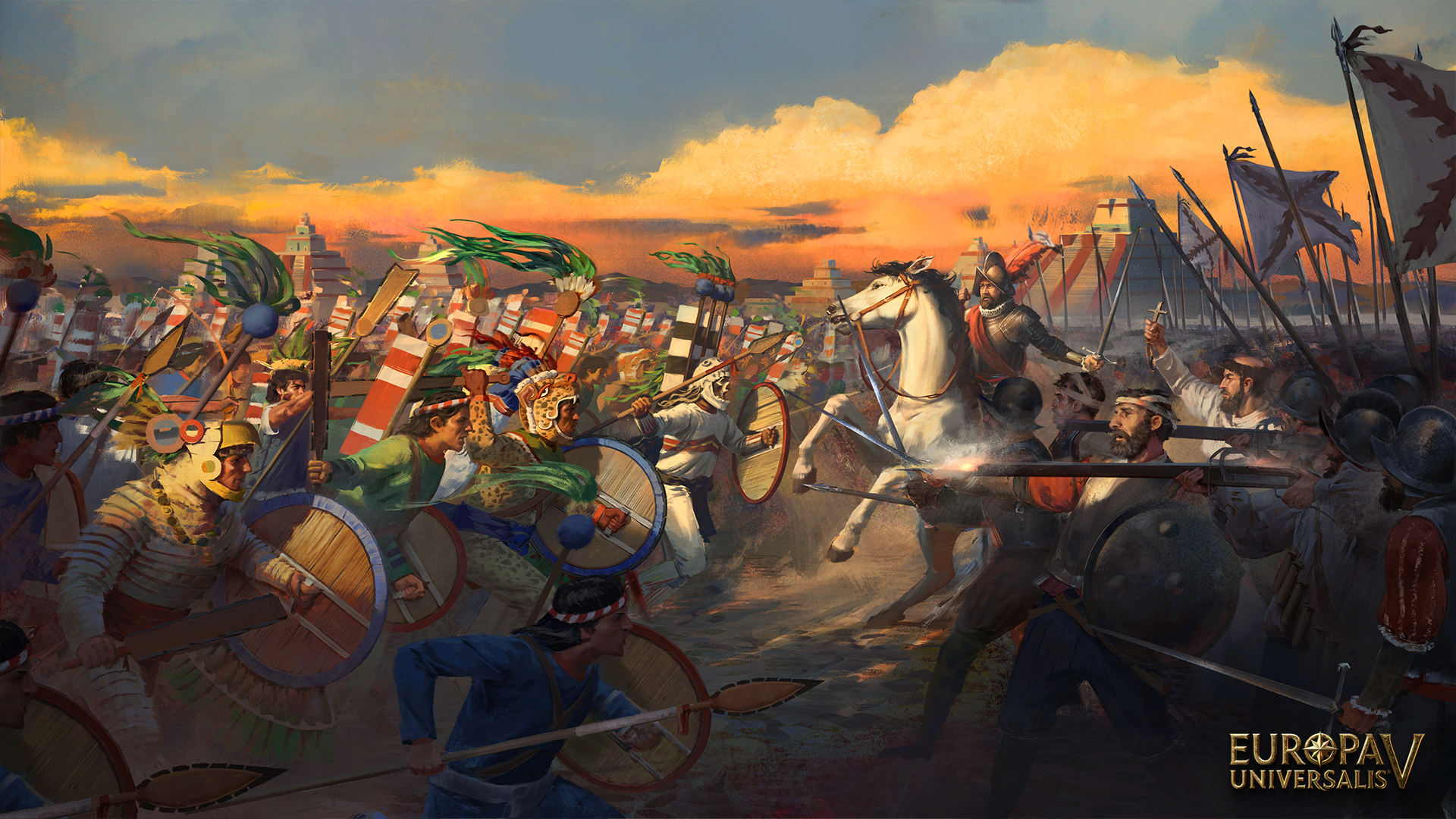
Known as “The Night of Sorrows,” this event marks a desperate retreat by Hernán Cortés and his Spanish forces from the Aztec capital, Tenochtitlan. Following the death of Moctezuma II, the Aztecs under Cuitláhuac rose up against the occupiers. Hundreds of Spaniards and thousands of their Tlaxcalan allies were killed or drowned in the lake as they fled across the city’s causeways. It was a rare, crushing defeat for the Conquistadors before their eventual return.
7. Zheng He Returns to Nanjing (1421)
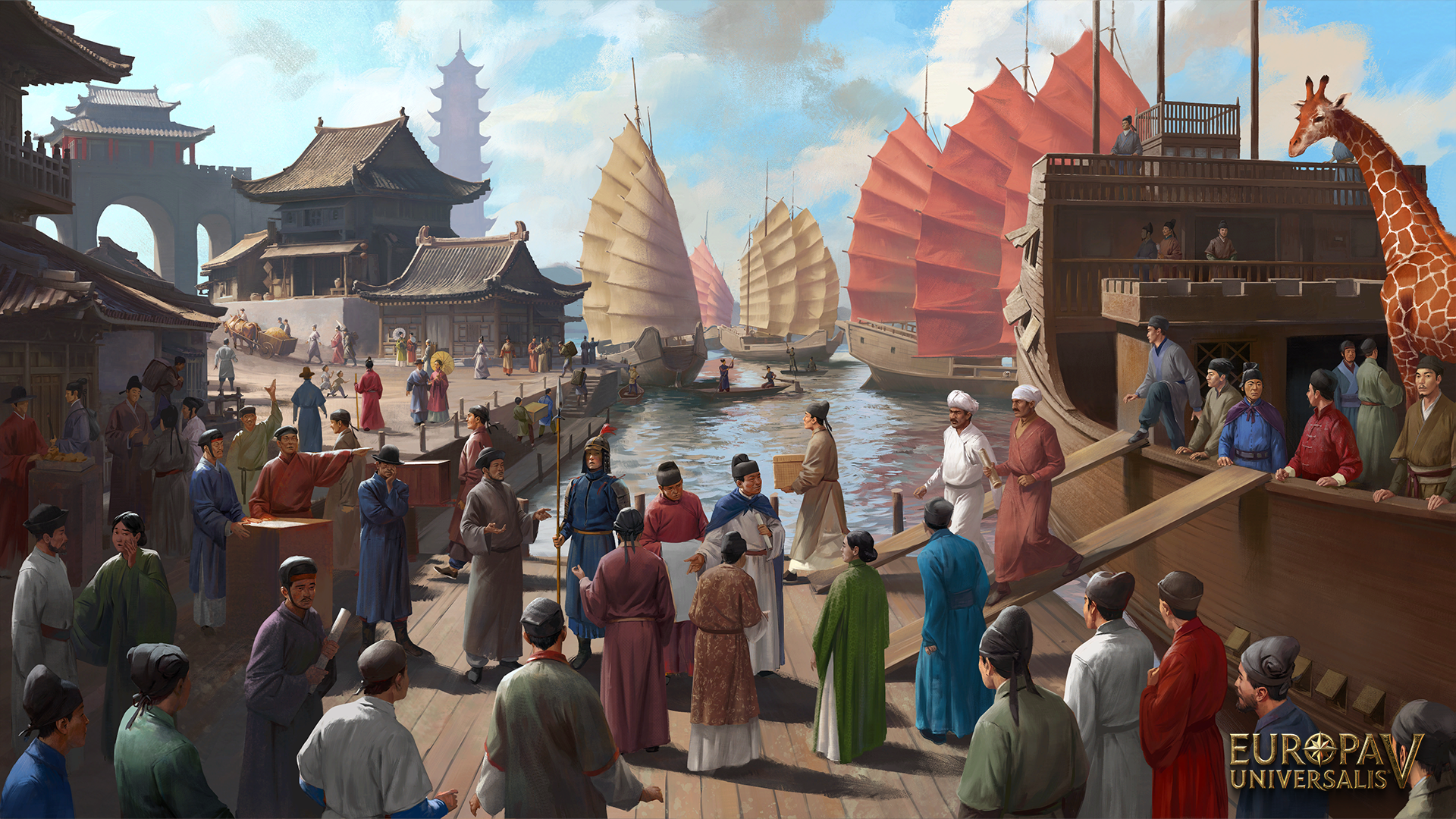
During the early Ming Dynasty, Admiral Zheng He commanded the Treasure Fleet, the largest naval force the world had ever seen. His seven voyages reached as far as East Africa and the Persian Gulf. Nanjing, the capital at the time, was the site of the massive Longjiang Shipyards. These voyages were intended to project Chinese prestige and collect tribute, bringing exotic animals (like giraffes) and foreign envoys back to the Emperor.
8. The Deccan Sultanates (15th–17th Century)
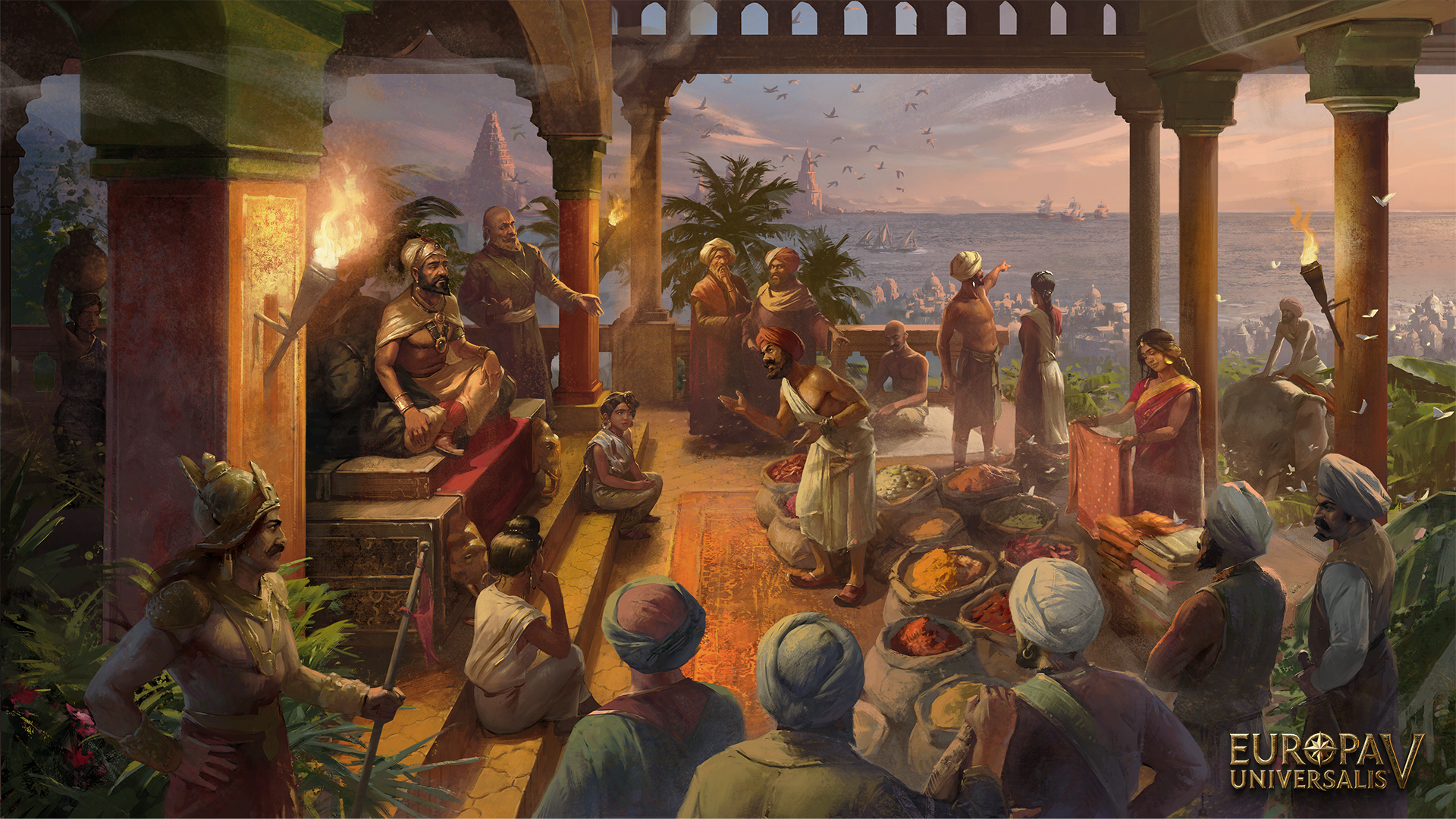
The Deccan Sultanates (Bijapur, Golconda, Ahmadnagar, Bidar, and Berar) were a collection of five Muslim-ruled kingdoms in Central India that emerged from the fragmenting Bahmani Sultanate in the late 15th century. These states were renowned for their immense wealth, driven by the Golconda diamond mines, and for fostering a unique “Deccani” culture that blended Persian, Shia Islamic, and local Hindu traditions. While they famously united to defeat the Vijayanagara Empire at the Battle of Talikota in 1565, their history was defined by a delicate balancing act: managing internal rivalries between local and foreign-born nobility while resisting the relentless southern expansion of the Mughal Empire. Their coastal territories made them critical players in early global trade, as they navigated the arrival of European naval powers like the Portuguese who sought control over the lucrative Indian Ocean spice and textile routes.